The Untapped Potential of Virtual Reality for Professional Growth
Virtual Reality isn't just for gaming; it's revolutionizing professional growth by offering immersive learning and skill enhancement opportunities.
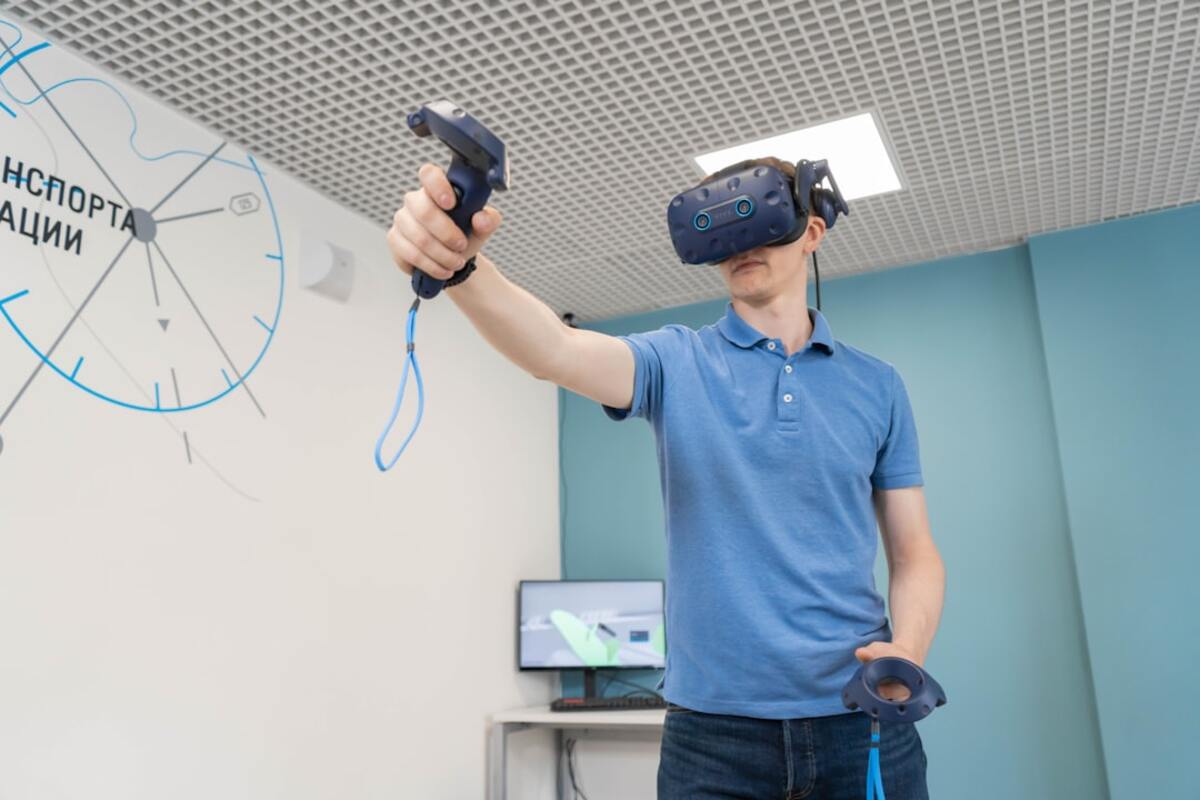
- Virtual Reality provides immersive learning experiences that enhance skill acquisition.
- Professionals can simulate real-world scenarios to better prepare for actual challenges.
- VR technology is accessible and being increasingly integrated into professional development programs.
The Rise of Virtual Reality in Professional Environments
Virtual Reality (VR) has traditionally been associated with gaming and entertainment, but its applications are rapidly expanding into professional domains. With advancements in VR technology, industries are unlocking new potentials for professional growth and development. From simulating real-world scenarios to offering immersive training programs, VR is redefining how professionals acquire and hone their skills.
For industries that require hands-on experience, such as healthcare and manufacturing, VR provides a risk-free environment where professionals can learn and practice without real-world consequences. Imagine a surgeon practicing a complex procedure in a virtual operating room or an engineer troubleshooting machinery without halting production lines. These scenarios illustrate the profound impact VR can have on professional growth.

Immersive Learning and Skill Enhancement
VR offers a unique learning environment that traditional methods cannot match. The immersive nature of VR engages multiple senses, allowing for a deeper understanding of complex concepts and processes. Research shows that experiential learning is more effective than passive learning. VR capitalizes on this by providing interactive and engaging training experiences, which can lead to better retention of information and faster skill acquisition.
Moreover, VR can simulate scenarios that are rare or dangerous, providing professionals with the opportunity to prepare for events they might never encounter in routine training. For instance, emergency responders can experience various crisis scenarios in a controlled environment, enhancing their readiness and decision-making skills.
Accessibility and Integration in Professional Development
One of the most significant advantages of VR is its accessibility. As the technology becomes more affordable and widespread, companies are integrating VR into their professional development programs. This democratization of VR technology ensures that more professionals can benefit from its capabilities, regardless of their industry or location.
Furthermore, VR facilitates remote training, allowing teams to collaborate and learn from anywhere in the world. This is particularly beneficial in today's globalized work environment, where teams are often spread across continents. By integrating VR into professional development, organizations can ensure consistent training quality and help bridge the gap between geographically dispersed teams.
In conclusion, Virtual Reality is not merely a tool for entertainment; it is a powerful medium for professional growth. Its ability to provide immersive, engaging, and accessible learning experiences positions it as a vital component in the future of workforce development. As industries continue to explore and integrate VR into their training programs, the potential for professional growth is boundless.