The Mindful Art of Tea Meditation: Cultivating Presence Through Steeping Rituals
Discover the ancient practice of tea meditation, a unique mindfulness ritual that enhances presence and tranquility through the art of preparing and savoring tea.
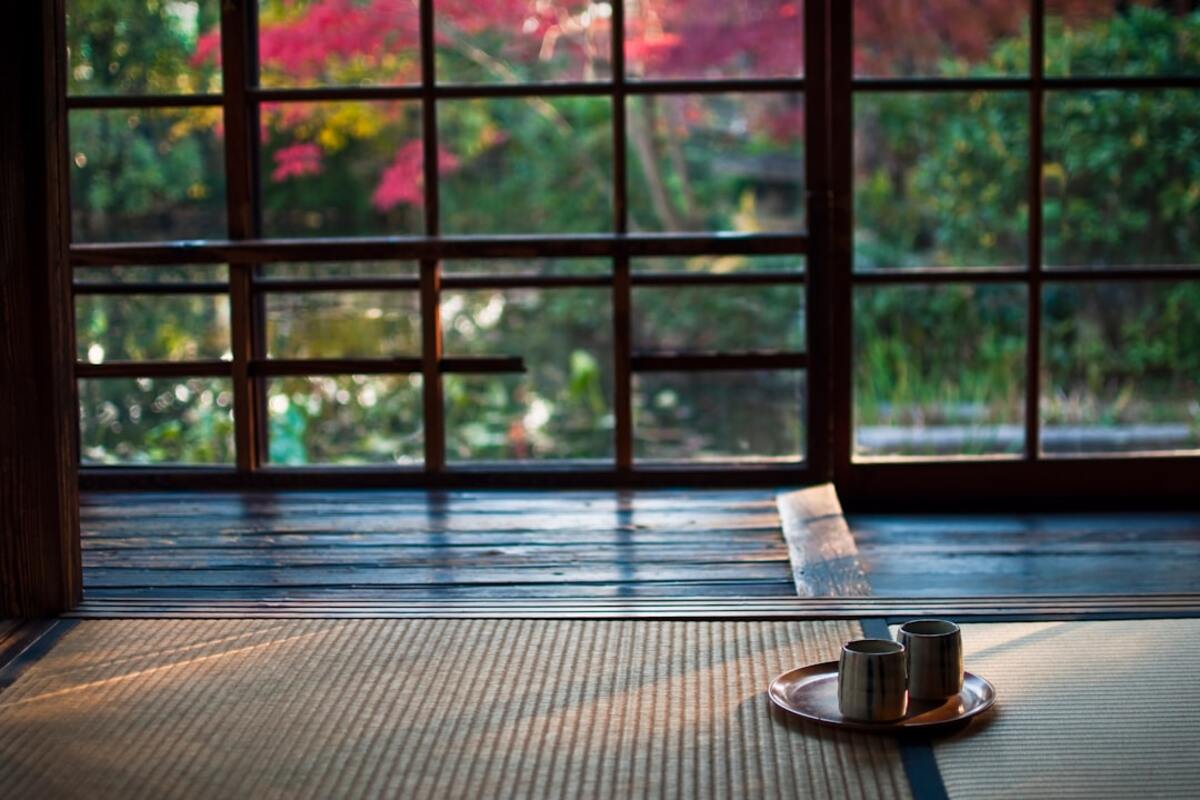
- Learn how tea meditation promotes mindfulness through deliberate ritual.
- Explore the history and cultural significance of tea in meditation.
- Understand how to incorporate tea meditation into your daily routine.
The Historical Roots of Tea Meditation
Tea meditation is an ancient practice that weaves together the subtle art of tea preparation with the profound depth of mindfulness meditation. Originating in Asia, especially within Chinese and Japanese traditions, tea meditation is deeply rooted in spiritual and cultural practices. The Chinese Chan (Zen) monks were among the first to integrate tea drinking with meditation, using it as a tool to enhance focus and clarity. Historically, tea was revered not just as a beverage but as a means to connect with one's inner self and the surrounding world.
In Japan, the tea ceremony, or 'chanoyu,' became a meditative ritual guided by the principles of Zen Buddhism. This ceremonial preparation of matcha tea emphasized simplicity, serenity, and the beauty of imperfection, celebrating the transient nature of life. Each step of the tea preparation—from the precise whisking of the matcha to the careful selection of utensils—encouraged practitioners to remain present and mindful.

The Principles of Tea Meditation
The practice of tea meditation involves a series of deliberate, mindful steps that engage all the senses, bringing full awareness to the act of making and drinking tea. By focusing on the process rather than the outcome, practitioners cultivate a state of mindfulness that encourages a deeper connection with the present moment.
Sensory Engagement: From the sound of the water boiling to the aroma of the tea leaves and the warmth of the cup, each sensory experience is heightened during tea meditation. Practitioners are encouraged to notice these sensations without judgment, allowing them to anchor their attention in the present.
Intentional Breathing: As with many forms of meditation, the breath plays a crucial role in tea meditation. Slow, deliberate breaths help to calm the mind and focus attention, creating a sense of peace and balance.
Ritualistic Movements: The repetitive, intentional actions of preparing tea—such as pouring, stirring, and sipping—serve as a form of moving meditation. Each movement is performed with purpose and care, promoting a state of flow and mindfulness.
Incorporating Tea Meditation into Modern Life
In today's fast-paced world, the ancient practice of tea meditation offers a refuge of calmness and clarity. Integrating this ritual into daily life can be a powerful way to cultivate mindfulness and reduce stress.
Begin by setting aside a specific time for your tea meditation practice. Choose a quiet space free from distractions, and select a tea that you find soothing and enjoyable. As you prepare your tea, focus on each step of the process: the sound of the water, the aroma of the tea leaves, the warmth of the cup in your hands.
Allow yourself to fully experience the moment, letting go of any thoughts or worries. As you sip your tea, pay attention to the flavors and sensations, savoring each sip as a unique and fleeting experience.
For those who seek to delve deeper into tea meditation, consider joining a tea meditation group or attending a workshop. These settings provide an opportunity to learn from experienced practitioners and connect with a community of like-minded individuals.
Tea meditation is not merely about drinking tea; it is about engaging with life in a deliberate, mindful way. By incorporating this practice into your routine, you can cultivate a greater sense of presence and tranquility, enriching your life with peace and mindfulness.